Learn how to build a reliable hotel Wi-Fi network with the right access points, PoE switches, network security, seamless roaming, bandwidth management, and scalable infrastructure for a better guest experience.
In this article
- •Why Reliable Wi-Fi Matters in Hotels
- •Understand Your Hotel’s Connectivity Requirements
- •Deploy the Right Access Points
- •Build a Strong Wired Network Backbone
- •Separate Guest and Hotel Networks
- •Plan for High-Density Usage
- •Ensure Seamless Roaming
- •Monitor and Manage the Network
- •Design for Future Growth
- •Conclusion
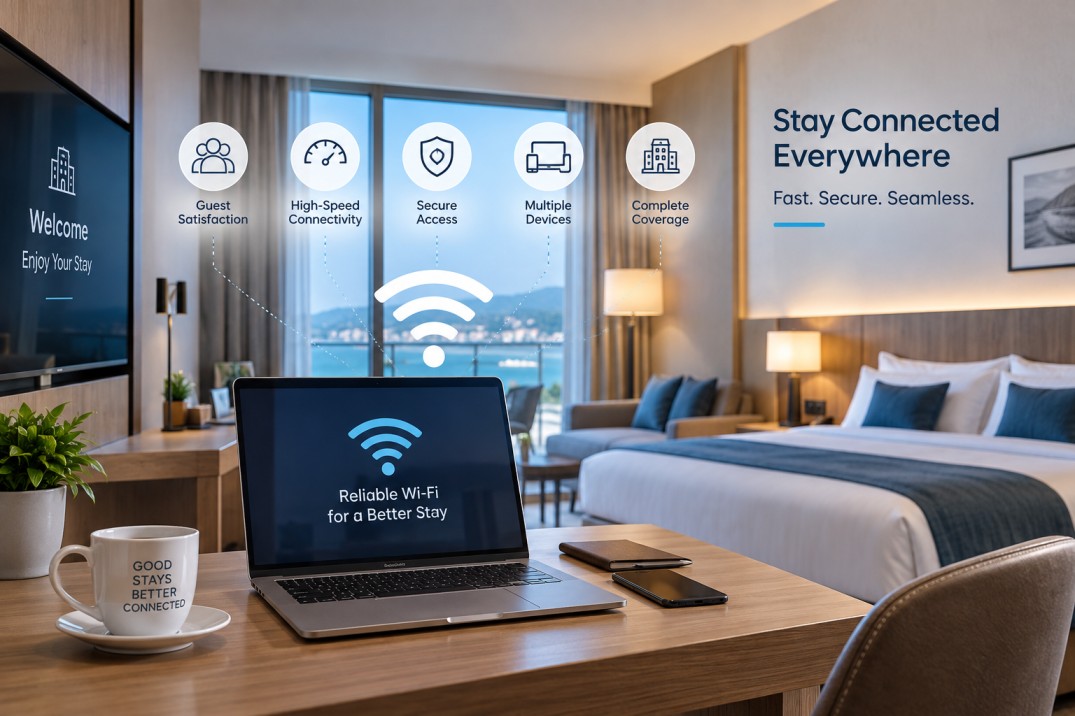
In the hospitality industry, reliable Wi-Fi is no longer a luxury—it is an essential part of the guest experience. From checking in and streaming entertainment to attending virtual meetings, guests expect fast, secure, and uninterrupted connectivity throughout their stay.
A well-designed hotel Wi-Fi network must support hundreds of users, multiple devices, high bandwidth demands, and seamless connectivity across rooms and common areas.
1. Why Reliable Wi-Fi Matters in Hotels
Wi-Fi has become one of the most important amenities for hotel guests. Travelers use hotel networks for entertainment, business communication, online meetings, social media, and everyday browsing.
Poor connectivity can lead to slow speeds, dropped connections, and a frustrating guest experience. A reliable network helps hotels improve guest satisfaction while also supporting essential business operations.
2. Understand Your Hotel’s Connectivity Requirements
Before designing the network, evaluate the hotel's size, number of rooms, guest capacity, and areas requiring connectivity.
Consider:
- Guest rooms and corridors
- Lobby and reception areas
- Restaurants and cafés
- Conference and meeting rooms
- Swimming pools and outdoor spaces
- Staff and back-office areas
Understanding these requirements helps determine the right network architecture and equipment.
3. Deploy the Right Access Points
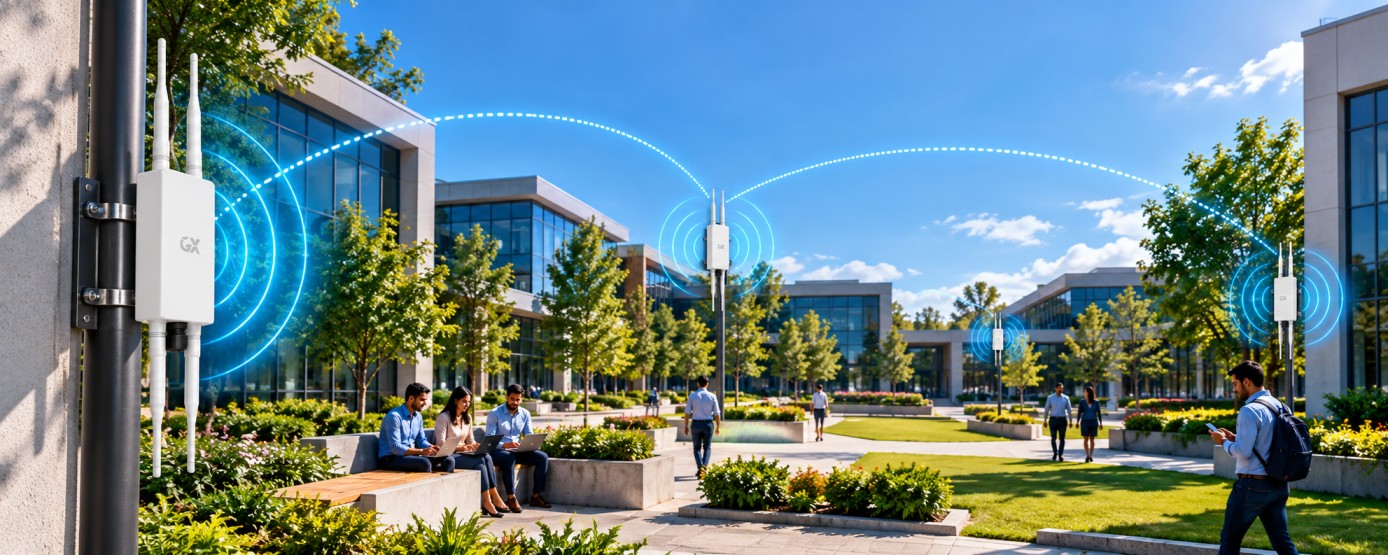
Strategically placed Wi-Fi access points (APs) are essential for consistent coverage. Simply increasing the number of APs is not enough—placement, signal strength, interference, and user density must all be considered.
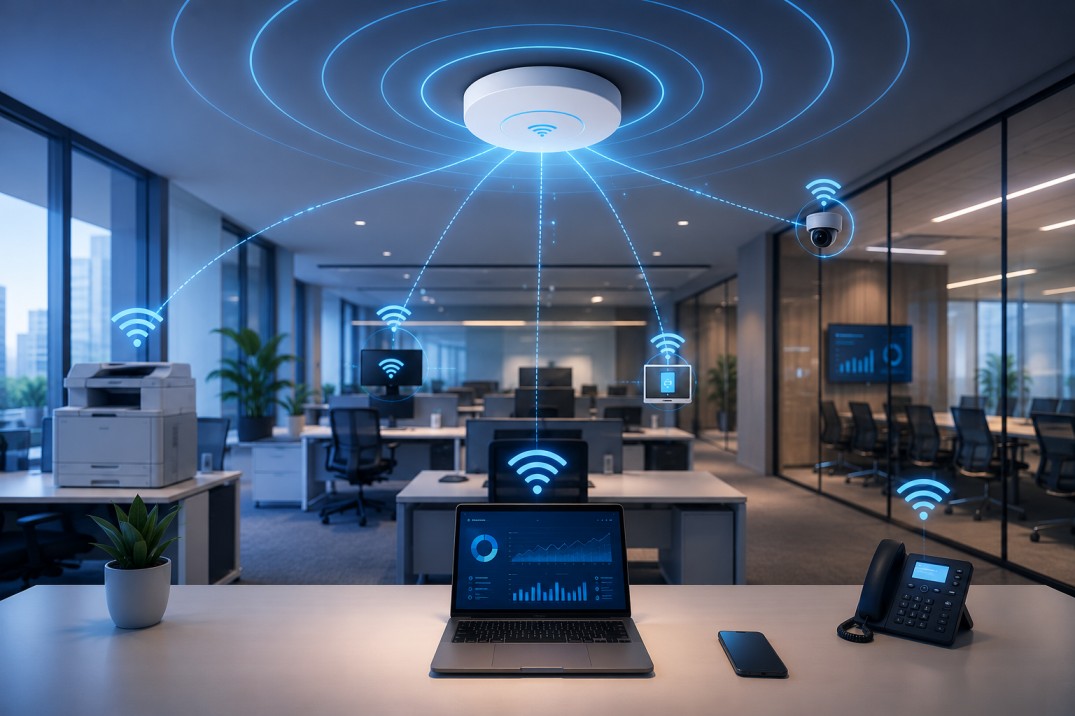
For guest rooms and high-density areas, ceiling-mounted access points can provide better coverage and a clean installation.
4. Build a Strong Wired Network Backbone
Reliable Wi-Fi depends on a reliable wired infrastructure behind it.
Managed Ethernet switches and PoE switches can connect and power access points, IP cameras, VoIP phones, and other network devices through a single Ethernet connection.
A properly designed switching layer also makes the network easier to manage and scale as the hotel grows.
5. Separate Guest and Hotel Networks
Security should be a priority in hospitality environments. Guest traffic should be isolated from hotel operations and staff networks.
Using VLANs, access controls, and network segmentation helps protect sensitive systems such as:
- Property management systems
- Payment systems
- Staff devices
- CCTV and security systems
- Guest Wi-Fi
This creates a safer environment while maintaining convenient guest access.
6. Plan for High-Density Usage
Hotels can experience significant network traffic during peak hours. Guests may simultaneously stream videos, join video calls, browse the internet, and connect multiple smartphones, laptops, and smart devices.
A reliable network should provide sufficient bandwidth, high-capacity uplinks, and intelligent traffic management to prevent congestion.
7. Ensure Seamless Roaming
Guests should be able to move from their room to the lobby, restaurant, or conference area without losing connectivity.
Proper access-point deployment and wireless configuration enable seamless roaming, creating a consistent connectivity experience throughout the property.
8. Monitor and Manage the Network
Network reliability doesn't end after installation. Continuous monitoring helps identify performance issues before they affect guests.
Network administrators should monitor:
- Access point performance
- Bandwidth utilization
- Connected devices
- Network congestion
- Uplink status
- Security events
Managed networking solutions make it easier to troubleshoot problems and maintain network performance.
9. Design for Future Growth
A hotel network should be built with future requirements in mind. As more devices and connected services are introduced, the network must be capable of handling increased traffic.
Choosing scalable switches, higher-speed uplinks, PoE capabilities, and modern Wi-Fi infrastructure can help hotels avoid expensive upgrades later.
10. Conclusion
A reliable hotel Wi-Fi network is built on more than just strong wireless signals. It requires a well-planned combination of access points, managed switches, PoE infrastructure, network segmentation, security, and continuous monitoring.
With the right networking architecture, hotels can deliver fast, secure, and consistent connectivity while creating a better guest experience and more efficient hotel operations.
Reliable Connectivity Starts With the Right Network Foundation
From guest rooms and common areas to business facilities and security systems, a properly designed network provides the foundation for a connected hospitality experience.